
Application, Products
Top 10 Tips for Efficient Electrical Panel Marking
Mar
Estimated reading time: 6 minutes
Key Takeaways
- Control panel marking is essential for safety, efficiency, and compliance in electrical projects.
- Follow AS/NZS standards for clear documentation to avoid costly mistakes during inspections.
- Utilise appropriate marking systems based on project volume for maximum efficiency.
- Invest in durable marking solutions to withstand industrial conditions and prevent smearing.
- Streamlining your marking process with in-house libraries and fast supplier partnerships boosts productivity.
Control panel marking is the backbone of any professional switchboard or industrial control system. When you manage complex wiring, clear identification is not an optional extra. It is a critical requirement for safety, efficiency, and professional credibility.
Clear, durable panel marking reduces installation errors and accelerates commissioning. It simplifies fault-finding and ensures your work complies with strict Australian standards. Whether you manufacture industrial control systems or assemble custom machinery panels, comprehensive marking solutions deliver the long-term reliability that distinguishes quality electrical work.
Sunlec International was established in 1989 and has been providing wire marking and cable marking solutions for the past 36 years. Based on decades of industry experience, we have compiled the most effective strategies to streamline your marking process. Here are ten practical tips for efficient electrical panel marking.
1. Prioritise AS/NZS Standards Compliance
Australian panel builders face demanding regulatory requirements. AS/NZS standards mandate clear, accurate documentation of panel wiring and components to ensure safety and maintainability.
Using non-compliant or illegible markers can lead to costly rework or failed inspections. You must ensure all wire and cable markings comply with Australian standards from the very beginning of your project. Select marking solutions specifically engineered to meet these rigorous requirements. Compliance assured means you protect your business reputation and guarantee client safety.
2. Match Your Marking System to Project Volume
Efficiency starts with using the right tool for the job. Selecting the appropriate identification system depends heavily on your production volume and specific project needs.
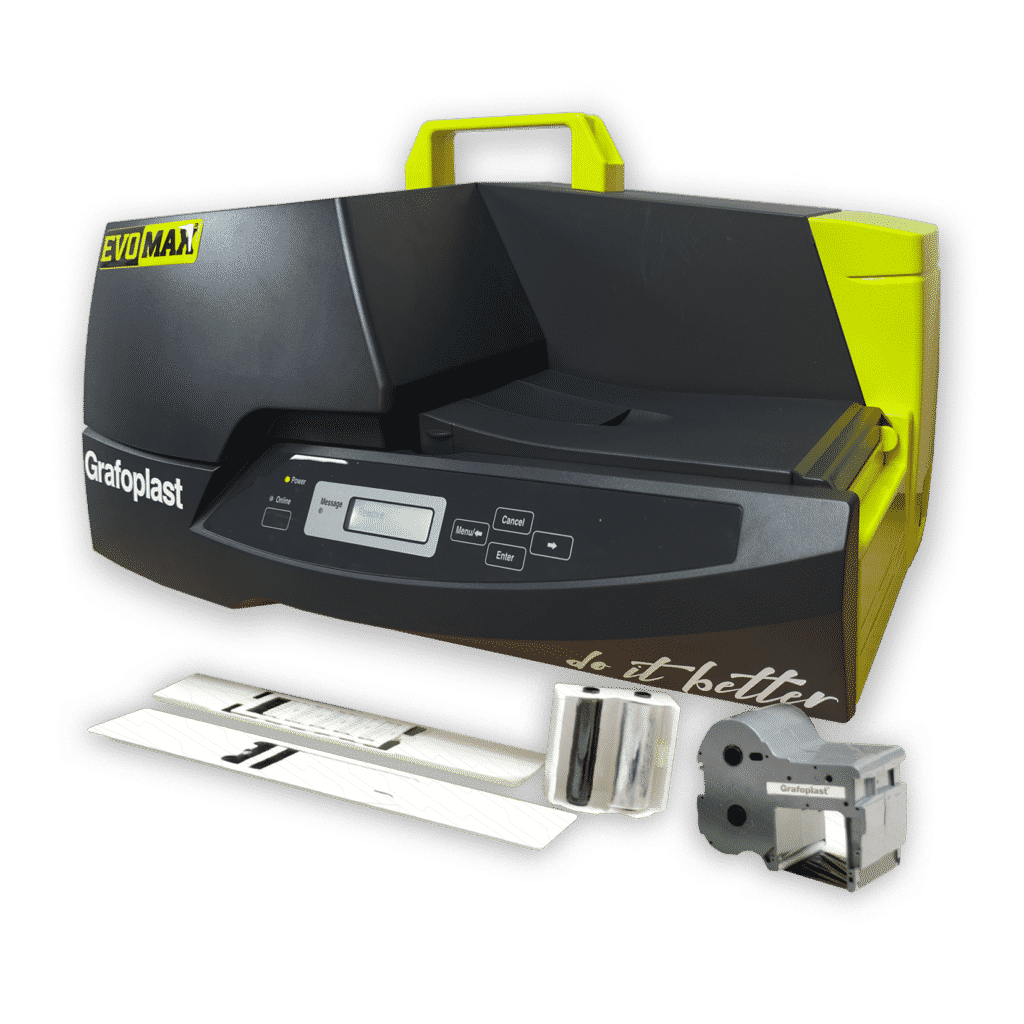
For high-volume work, the EVOMAX thermal printer delivers unmatched production efficiency. It allows panel builders manufacturing multiple units to print thousands of tags quickly and accurately. Conversely, for custom panels, maintenance work, or varied projects, the Grafoplast® TRASP® manual system provides flexible, equipment-free marking. Having both capabilities ensures you can mark standard circuits efficiently while handling specialised requirements.
3. Standardise Your Circuit Numbering
Projects often specify unique circuit numbering systems. However, maintaining a consistent internal logic for how you apply these numbers will dramatically speed up your workflow.
Establish a standardised method for formatting your tags, such as consistent alphanumeric sequences for power, control, and neutral wires. Train your team to apply this logic uniformly across all switchboards. This consistency reduces cognitive load during assembly. It also accelerates testing and verification against circuit diagrams during the commissioning phase.
4. Utilise PMMA Name Plate Tags for Equipment Identification
Equipment identification labels for devices and components must be highly visible and permanently legible. Faded or scratched labels create massive headaches for maintenance technicians down the line.
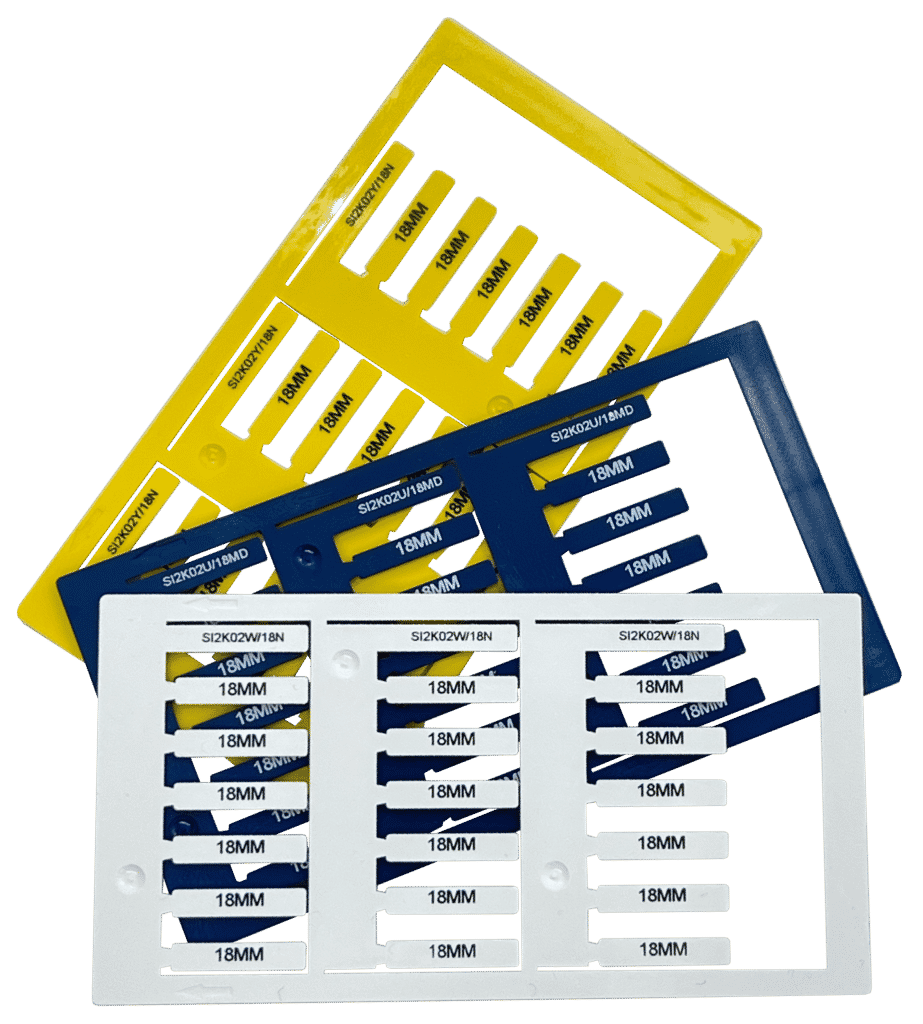
Implement PMMA name plate tags for all major components, functional descriptions, and safety warnings on your panels. These tags are available in both adhesive and non-adhesive formats, offering versatility for different mounting surfaces. PMMA provides excellent resilience against UV light and industrial chemicals. This ensures your safety warnings and equipment designations remain clear for the entire lifespan of the control panel.
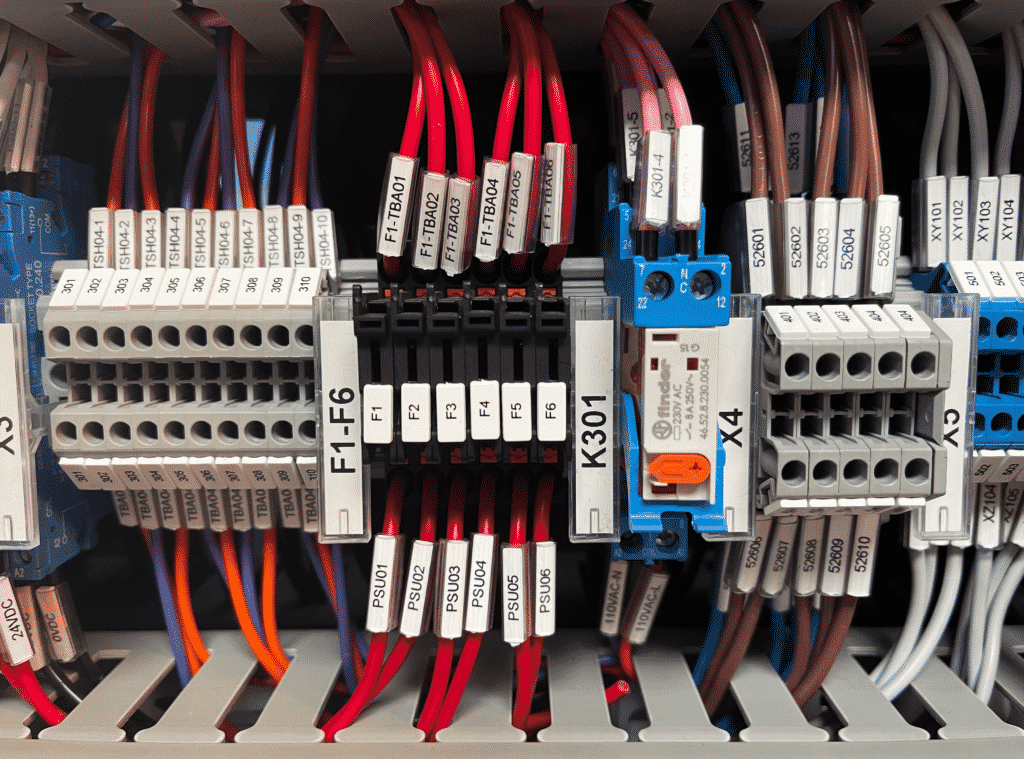
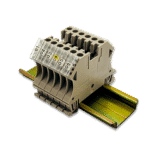
5. Systematise Terminal Block Marking
Terminal blocks are critical connection points that demand precise identification. When hundreds of wires converge in one location, a single unmarked terminal can halt a project and cause hours of fault-finding.
Utilise dedicated terminal block markers designed specifically for your hardware. High-quality terminal block markers snap securely into place, providing a clean, professional appearance. By clearly labelling every connection point, you enable faster fault-finding, confident modifications, and safer maintenance work for the end user. Seamless integration with your existing terminal blocks prevents marking failures and keeps your project moving.
6. Demand Industrial-Grade Durability
Industrial environments are unforgiving. Control panels are regularly exposed to heat, vibration, dust, and chemical solvents. Inferior paper or cheap plastic labels will smear, degrade, or fall off completely under these harsh conditions.
You need marking products engineered for toughness. Invest in markers made of high-quality materials that resist smearing and wear. Reliable durability eliminates the risk of missing identification when it matters most.
7. Mark Wires Both Pre and Post-Termination
Wiring a complex control panel rarely goes exactly to plan. Sometimes, wires need to be marked before termination. Other times, modifications require marking after the cables are already connected.
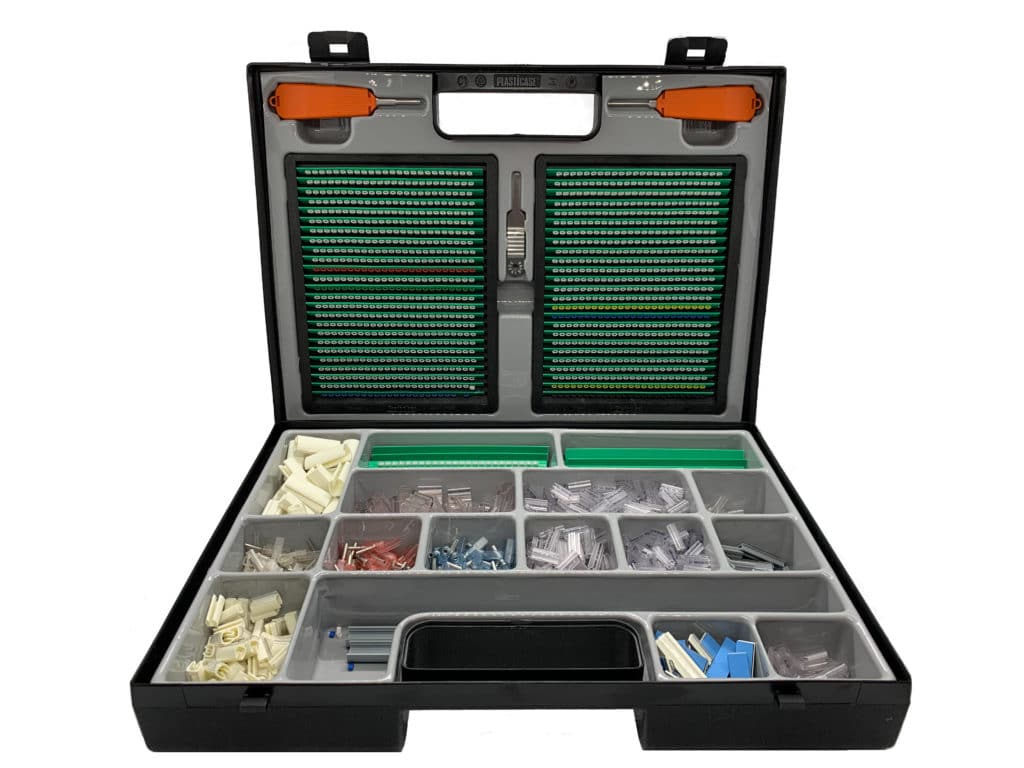
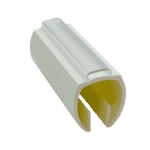
Grafoplast® TRASP® is the only manual system that can identify all types of cables, cores, and components found within control and electrical equipment. This one simple system allows marking to be carried out either prior to or post termination. Utilising transparent slide-on sleeves or snap-on sleeves gives your technicians the flexibility to adapt to changing project requirements without wasting time.
8. Eliminate Smearing with Thermal Transfer Printing
Handwritten markers or standard ink printers cannot withstand the rigours of industrial panel building. Ink smears during installation, rendering the identification useless and unprofessional.
Thermal transfer printing solves this problem entirely. The EVOMAX thermal printer uses heat to bond ink directly into the tag material. This creates a permanent, high-contrast mark that will not rub off, even when exposed to oils or solvents. Fast application paired with zero smearing ensures your panels look pristine and professional when delivered to the client.
9. Maintain a Comprehensive In-House Element Library
Relying entirely on external marking services can create massive bottlenecks in your production schedule. When a single custom tag delays shipping a massive switchboard, your profit margins suffer.
Maintain an in-house library of pre-printed elements for common marking needs. Combine this with the thermal printing capability for custom identification. This dual approach ensures you never stall production while waiting for specific markers. You control the timeline, allowing you to meet tight client deadlines consistently and reliably.
10. Partner with a Supplier that Guarantees Next-Day Delivery
Even with the best planning, project scopes change. You will inevitably find yourself short on specific sleeves, tags, or pins right before a major deadline. In the electrical trade, waiting weeks for materials is unacceptable.
Partner with a supplier that understands the urgency of your trade. Sunlec International will give you service, service and more service! We provide free next-day delivery to ensure you have the materials you need exactly when you need them. Fast shipping keeps your projects on track and prevents costly downtime on the factory floor.
Elevate Your Panel Building with Professional Marking
Professional control panel marking improves every phase of the panel lifecycle. It is a modest investment that returns significant value through reduced labour, fewer errors, and the professional credibility that wins repeat business.
By implementing these ten tips, you streamline your workflow, ensure strict compliance, and deliver a superior product. Focus on durability, leverage the right systems like EVOMAX and TRASP, and always demand quality. Equip your workshop with the right identification tools today and experience the efficiency first-hand.
 Accessories & Tools
 Adhesive, Channel & Clip-in Markers
 Cable Tie Sleeves
 Kits
Kits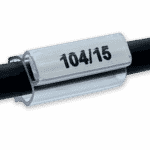 Slide-On Sleeves
 Snap-On Sleeves 300 Series
 Spark Crimp-On Pins & Terminals
 Terminal, Relay and Contactor Markers